Water Damage Restoration Caldwell, NJ
24/7 water damage restoration in Caldwell, NJ. The extraction crew removes standing water, tracks moisture behind finishes and dries affected materials to a measured goal under the IICRC S500 standard.
(888) 471-9821Get wet rooms under control- 24/7 loss assessment
- Measured material drying
- Room-by-room moisture records
A stopped leak still leaves wet materials. The drying team checks floors, wall edges and adjoining rooms.
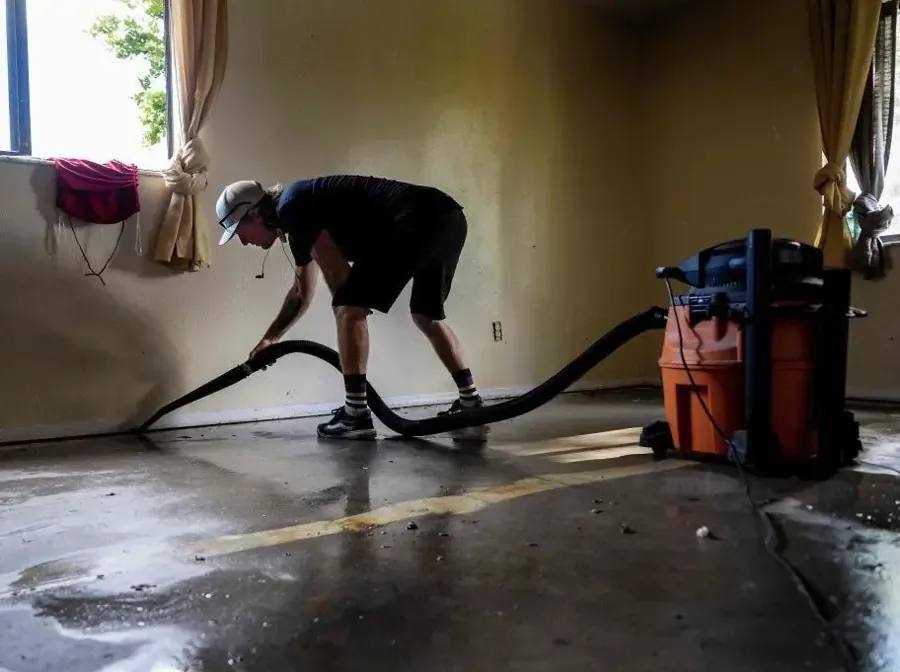
What to do while the water is still moving
- Stop the source safelyClose an accessible supply valve when a plumbing leak is active. Leave an unsafe or submerged shutoff alone.
- Keep clear of electricityAvoid standing water near outlets or equipment. A dry approach and safe electrical isolation come before cleanup.
- Protect access routesKeep children and pets outside the affected rooms. Leave sagging ceilings and contaminated water undisturbed.
- Record the first signsPhotograph the source and visible spread from a safe position. Keep repair receipts and note when the leak appeared.
- Describe the lossTell the restoration team which materials are wet and whether water continues to enter. Dispatch operates 24/7.
Water Damage Restoration Services in Caldwell, NJ
The water source determines the cleanup. Choose the problem that matches the loss, from an overflowing fixture to water trapped under a floor or behind a ceiling.
 Water ExtractionStanding water leaves first. Extraction reaches carpet, hard floors and room edges before humidity control takes over.
 Burst Pipe Water DamageA pressurized break wets more than the visible puddle. Trace the spray path through wall cavities and adjoining rooms.
 Slab Leak Water DamageWater beneath a floor needs source diagnosis and access planning. Check the slab, adhesive and flooring layers together.
 Ceiling Leak Water DamageA swollen ceiling needs space below it kept clear. Inspect overhead plumbing and wet insulation before repairing the finish.
 Roof Leak Water DamageRain entering overhead can travel along framing. Connect the roof repair with attic checks and drying inside the house.
 Storm Flood CleanupOutside water brings soil and contamination indoors. Separate flood cleanup from ordinary supply-water drying at the outset.
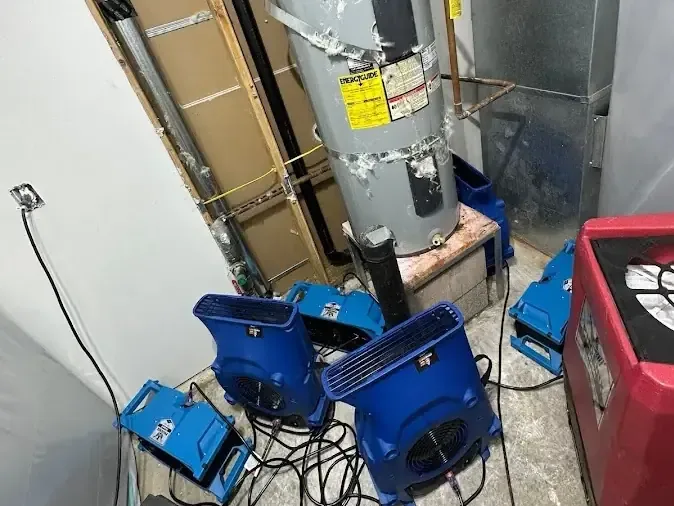
 Water Heater Leak CleanupA tank leak can soak the utility area and adjacent rooms. Remove water around the equipment without touching unsafe controls.
 Appliance Leak Water DamageHoses, drains and hidden cabinet spaces complicate appliance spills. Trace water behind the machine and beneath nearby flooring.
 Toilet Overflow CleanupIdentify whether the overflow contains waste before touching towels or fans. Contain the affected bathroom and check nearby materials.
 Sewage Backup CleanupWastewater requires controlled access, protective equipment and removal of contaminated porous materials before cleaning and structural drying.
 Hardwood Floor Water DamageCupped boards and wet subfloors need moisture comparisons. Track the floor assembly before choosing salvage, removal or later refinishing.
 Structural DryingDry surfaces can hide damp framing. Air movement, dehumidification and repeated readings establish when the affected assembly reaches its goal.
 Commercial Water DamageOccupied businesses need safe access and a documented room sequence. Protect stock and equipment while wet areas undergo restoration.
 Basement Flooding CleanupCheck electrical hazards and continuing inflow before pumping. Examine wall bases, stored contents and the floor assembly after extraction.
 Frozen Pipe Water DamageA thaw can reveal hidden splits. Isolate the damaged supply and inspect nearby branches before restoring pressure to the system.
How a water loss is handled
The crew follows the water through the building, removes what cannot be saved and measures progress before the repair stage begins.
- 01
Inspect the spread
Technicians trace the source and inspect adjacent materials, including areas beyond the visible puddle. Electrical or structural hazards change the access plan.
- 02
Remove liquid water
The extraction crew uses tools suited to the surface and water depth, then checks edges, seams and lower cavities for retained moisture.
- 03
Manage the room air
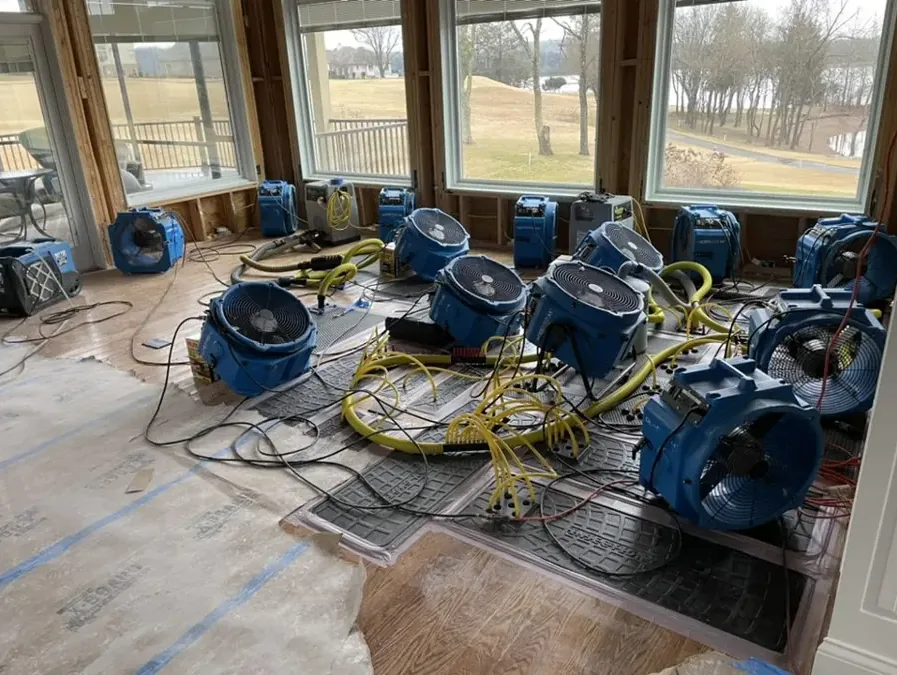
Air movers and dehumidifiers work together. The team watches temperature, humidity and material readings to adjust the arrangement as drying progresses.
- 04
Verify before closing
The contractor compares final readings with the drying target and records remaining repair needs. Closing a wall waits until the concealed materials are ready.
Water damage dried to the IICRC S500 standard
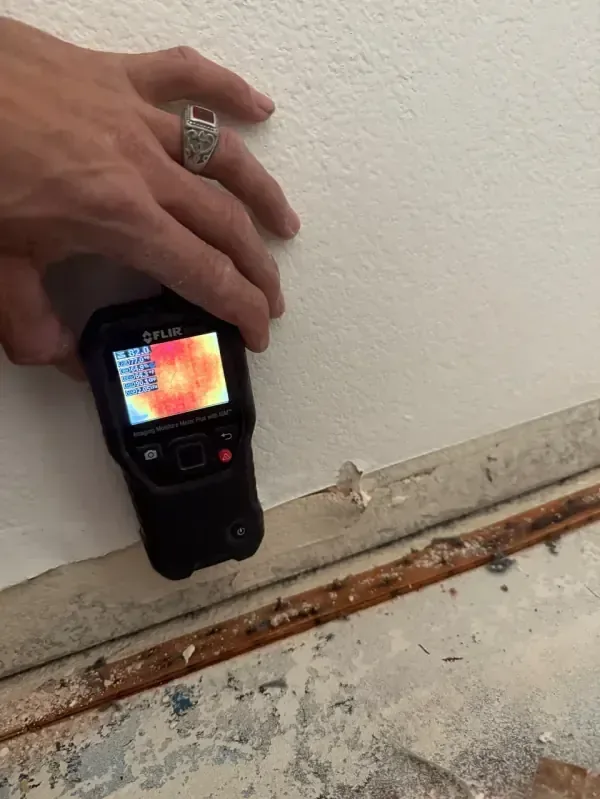
The drying team compares affected materials with a dry reference, checks hidden layers and records the trend. Air movers encourage evaporation while dehumidifiers remove moisture from the room air. Equipment remains until the assembly reaches its drying goal.
- Moisture mapping first
- Controlled evaporation
- Recorded dry verification
Rapid local response
Emergency dispatch gathers the source, access and contamination details so the responding contractor can organize extraction around the conditions at the property.
IICRC S500 drying standard
The drying plan considers water category, material class and the affected assembly. Equipment placement follows the moisture map and changes with the readings.
Claim-ready documentation
The job file records initial conditions, material decisions and daily progress. Clear photographs and room measurements help explain the scope to an insurer.
Local water experts
Downtown rainfall losses and indoor plumbing failures demand different assessments. The team identifies the actual entry route before selecting cleanup methods.
All water damage categories covered in Caldwell, NJ
Clean supply water
Category 1 starts from a sanitary source. Prompt extraction limits the spread, but contact with dirty materials can change the cleanup requirements.
Follow a supply breakUsed household water
Category 2 contains contamination that needs attention before drying. A washer discharge and a clean inlet leak call for different material decisions.
Check appliance waterSewage and floodwater
Category 3 requires containment and protective equipment. The team removes contaminated porous finishes and cleans exposed surfaces before establishing the drying system.
Understand sewage cleanupWhat does water damage restoration cost in Caldwell, NJ?
Water damage restoration commonly ranges from $1,200 to $15,000 or more. A contained supply leak costs less than a widespread contaminated loss. Wet area, water category, material class, access and the delay before drying all affect the scope.
Use the water damage cost calculator to compare planning assumptions. The contractor measures the actual loss before setting a price; rebuilding and source repairs may have separate scopes.
Documentation for your insurance claim
A clear record follows the water from the first observation through final drying. The restoration contractor documents the work; the insurer evaluates coverage under the policy.
- Dated photographs before material removal
- A room-by-room moisture map and dimensions
- The identified water category and affected material class
- Daily humidity, temperature and material readings
- An itemized scope with removal and equipment records
Check the policy details
A sudden plumbing discharge, surface flooding and sewer backup can fall under different policy provisions. Ask the insurer about the specific source and any applicable endorsement.
Keep the source-repair invoice and a record of damaged contents. Coverage and deductibles depend on the policy; restoration documentation supports the account of the loss.
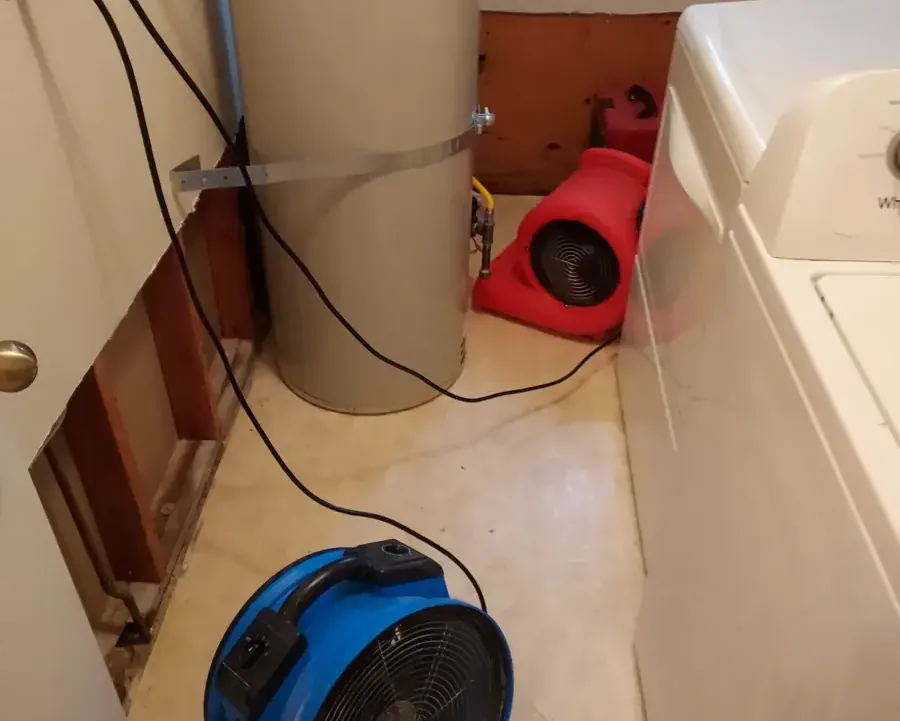
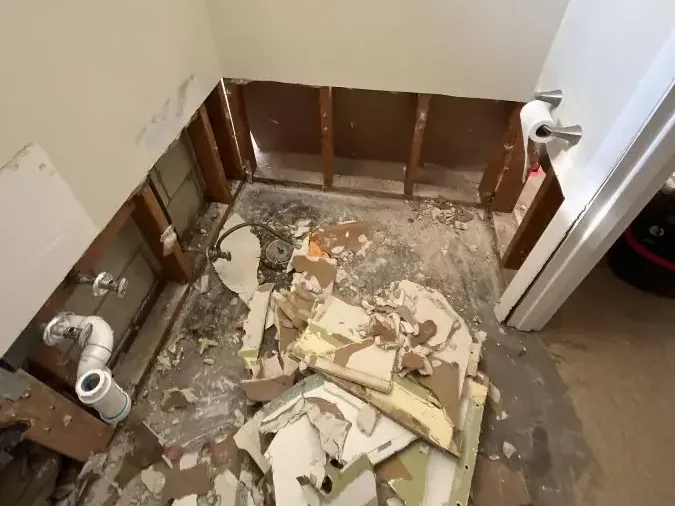
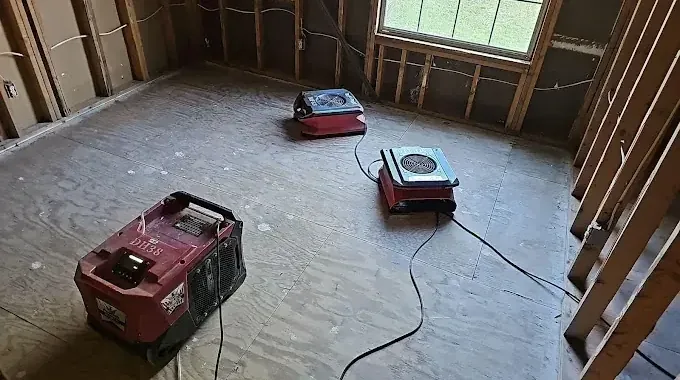
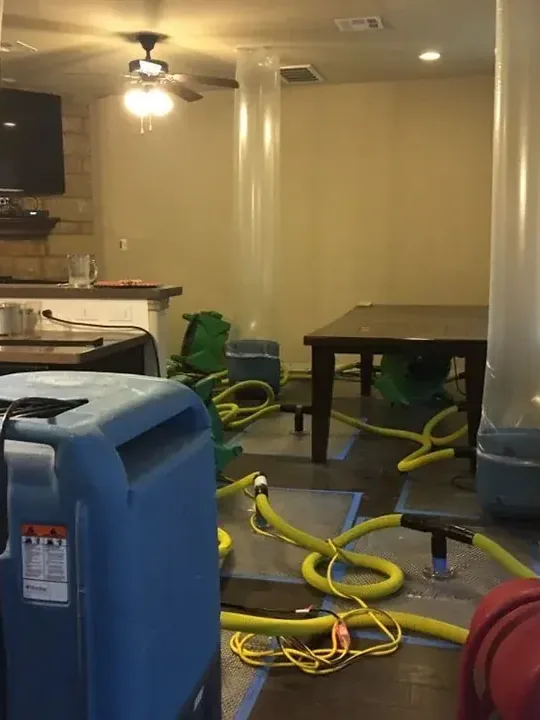
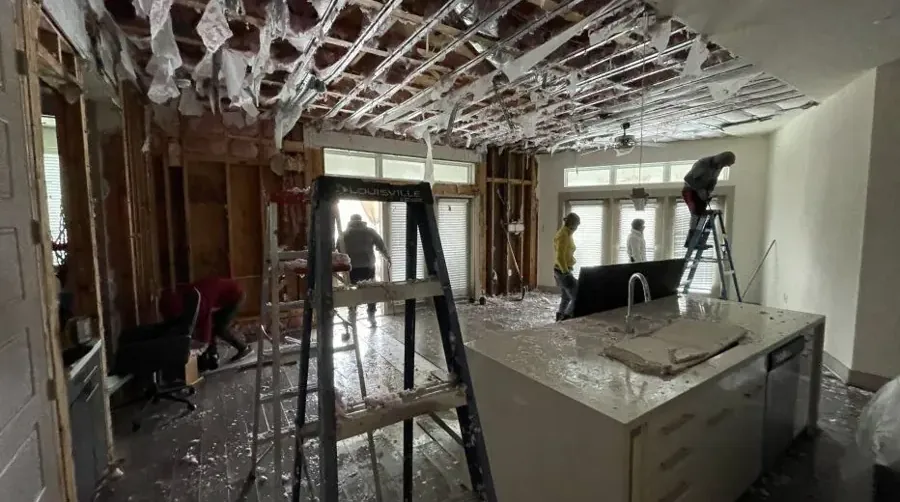
What a water damage dry-out looks like in Caldwell
Water damage help across Caldwell, NJ
Streets and local landmarks
Bloomfield Avenue, Espy Road, Brookside Avenue, Grover Cleveland Birthplace
ZIP codes covered
07006, 07007
Nearby communities
Reach Caldwell water damage pros, 24/7
Describe the source, the wet rooms and any access restrictions. A useful first conversation identifies continuing water entry and hazards before anyone starts moving contents.
For a business, identify the building contact and occupied spaces. For a home, mention wet ceilings, lower levels and flooring that crosses between rooms.
(888) 471-9821Explain where water travelledPlan before you call
Nearby service areas
Water damage questions in detail
Woodland Park Basement Water After Repeated Storms
Woodland Park basement flooding: record returning water, assess sump access, separate extraction from drying and check hidden materials after repeated storms.
Totowa Sewage Backups and Returning Drain Water
Totowa sewage backups need drain source checks and controlled cleanup. Record returning water, restrict affected rooms and coordinate plumbing and drying work.
North Caldwell Laundry Leaks After Water Flushing
North Caldwell laundry leaks: separate flushing notices from water on the floor, inspect washer connections and trace moisture beneath cabinets and wall edges.
Caldwell water damage and local conditions
Bloomfield Avenue businesses and surrounding homes face both outside water and indoor leaks. The assessment starts with the entry route, then follows moisture through the affected finishes.
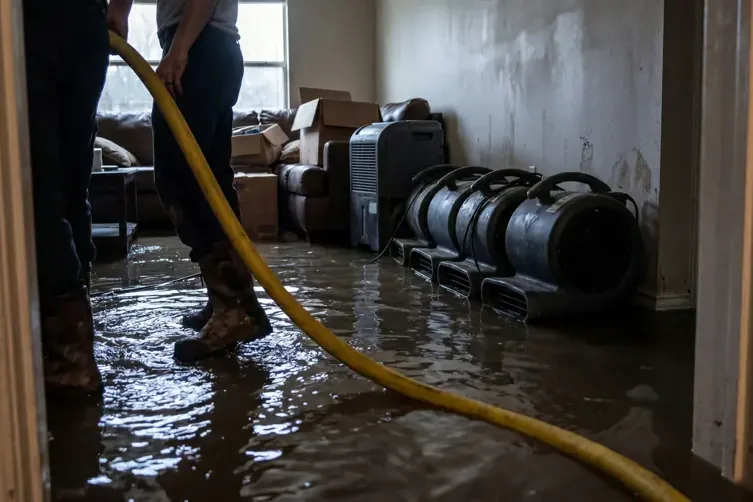
- 1Downtown rainfall. The documented downtown flood shows why exterior entry and indoor supply leaks need different cleanup decisions.
- 2Public water repairs. Espy Road experienced a temporary service shutoff during repairs. A utility interruption differs from a leaking private fixture.
- 3Historic surroundings. The Grover Cleveland Birthplace and public library are local landmarks. Each nearby building needs its own material assessment.
- 4Hidden floor edges. Water can travel beneath cabinetry and across room thresholds before the first visible stain appears. Meters help establish the boundary.
- 5Source confirmation. The borough Water Department investigates service connections at meters. Interior drying still depends on locating and stopping the active leak.
August 11, 2018: Storm flooding reached downtown businesses; reporting recorded just under 5 inches of rain in the borough. Outside water requires a contamination-aware cleanup.
Caldwell water damage questions
What matters most before cleanup begins?
Safety and source control come first. Stay out of standing water near electricity and leave sagging ceilings alone. An accessible supply shutoff can stop a plumbing leak. The restoration team then checks contamination and the extent of wetting before choosing equipment.
Does stopping the leak finish the job?
No. Water remains in flooring, wall bases and other absorbent layers after the supply stops. The drying technician checks those materials, compares them with unaffected areas and records a drying goal. A dry-looking surface is only one observation.
How long does material drying take?
A small, accessible clean-water loss often needs several days of professional drying. Dense wood, layered flooring and enclosed cavities can need longer. Daily measurements determine adjustments and completion rather than a fixed equipment-removal date.
What is the IICRC S500 standard?
IICRC S500 describes professional water damage restoration practices, including assessment, water categorization, drying methods and documentation. The contractor applies those practices to the actual structure and records the moisture conditions that support material and equipment decisions.
Can wet drywall remain in place?
Sound drywall affected by clean water may be salvageable when the assembly can dry. Sagging, damaged or contaminated materials need a different approach. Technicians inspect insulation and framing behind the surface before deciding how much access the cavity requires.
Why does sewage require a separate cleanup?
Sewage introduces Category 3 contamination. The crew controls access, uses protective equipment and removes contaminated porous materials. Exposed surfaces need cleaning and an appropriate disinfectant application before the room moves into the structural drying phase.
What should a homeowner keep for insurance?
Keep early photographs, source-repair receipts, damaged-item records and the restoration scope. Daily readings and removal notes help explain why work was necessary. The insurer decides coverage, including whether a water-backup endorsement or separate flood coverage applies.
Can a wet wood floor be refinished immediately?
Refinishing should wait until the flooring and supporting layers stabilize. Premature sanding can leave a distorted surface when the boards finish drying. The floor assessment considers contamination, attachment, finish damage and moisture differences through the assembly.
What details help an emergency request?
State whether water is still entering, where it first appeared and which materials are affected. Mention electrical hazards, sewage, a sagging ceiling or inaccessible rooms. Clear information helps the responding contractor plan the inspection and initial extraction.
Start a measured dry-out for the affected rooms
The restoration team removes water, checks hidden moisture and documents progress. Emergency dispatch operates 24/7 for urgent water and sewage losses.
(888) 471-9821Talk through the damage pathCaldwell Water Damage Restoration
Caldwell, NJ and nearby Essex County
(888) 471-9821 · open 24/7
Water and sewage losses only
Find us on Google